
An essential element of free flight, the paragliding harness (or harness) plays a role just as crucial as your wing. It ensures your comfort, transmits air mass sensations, and guarantees your passive safety. Whether you are looking for lightweight gear for hike & fly or the performance of a cocoon harness, this guide helps you understand the technical aspects and budgets to make the right choice.
Are you looking for a specific paragliding harness?
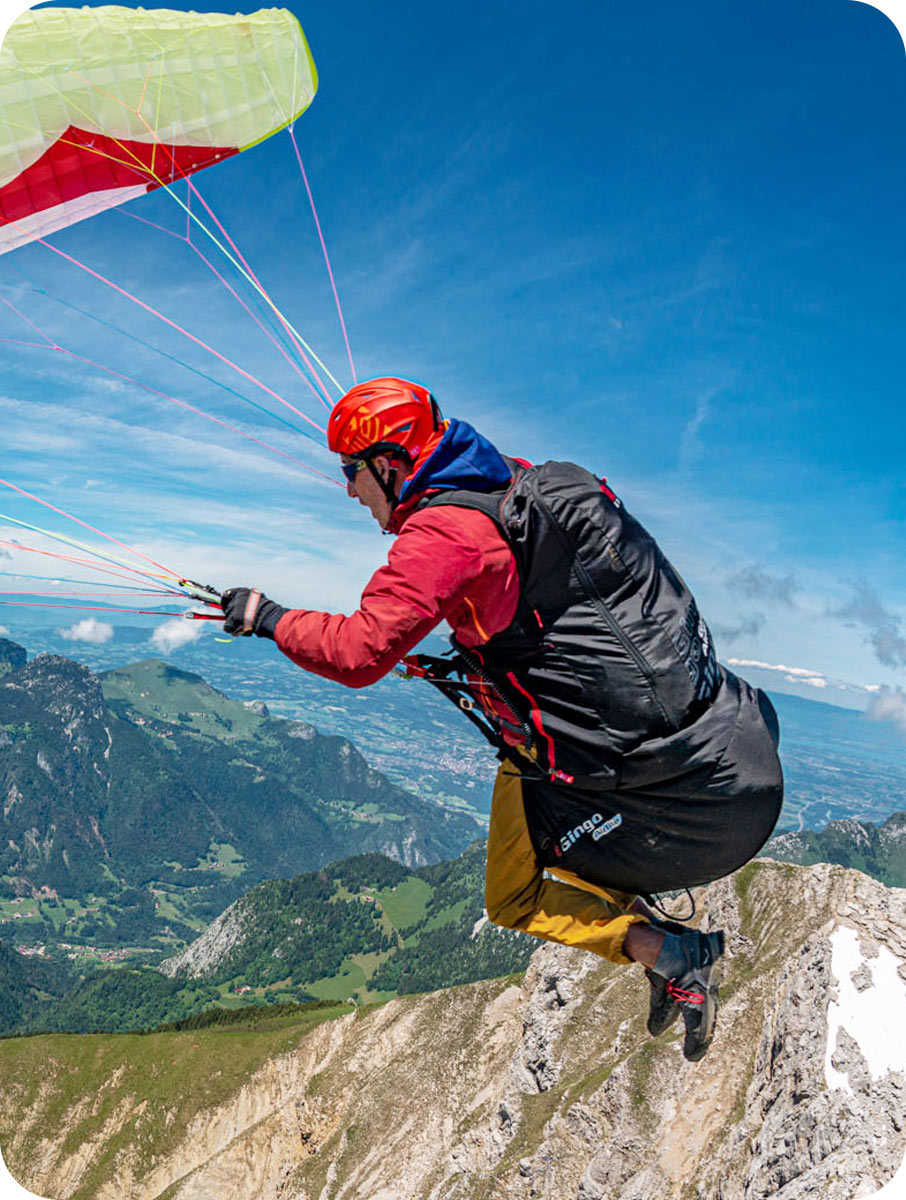
Technically, the paragliding harness is the structure in which you sit. It is made up of a load-bearing structure, an attachment system (buckles), a protection system (PPE) and often a pocket for the reserve parachute.
Note: "Harness" and "paragliding harness" refer to exactly the same equipment. No worries if you hear one or the other at take-off!
Each type of flying has its own dedicated equipment. There are two main harness categories:
Seat Board Harnesses: The most common type. A rigid seat (wood or carbon) provides precise handling and excellent comfort for thermal flying.
Leg Strap Harnesses: Without a seat board, they offer greater freedom of leg movement. They are preferred for hike & fly and speed riding.
Reversible Harnesses: Cleverly designed, they convert into your carrying backpack. Ideal for "Hike & Fly", they often require compact gear (light wing).
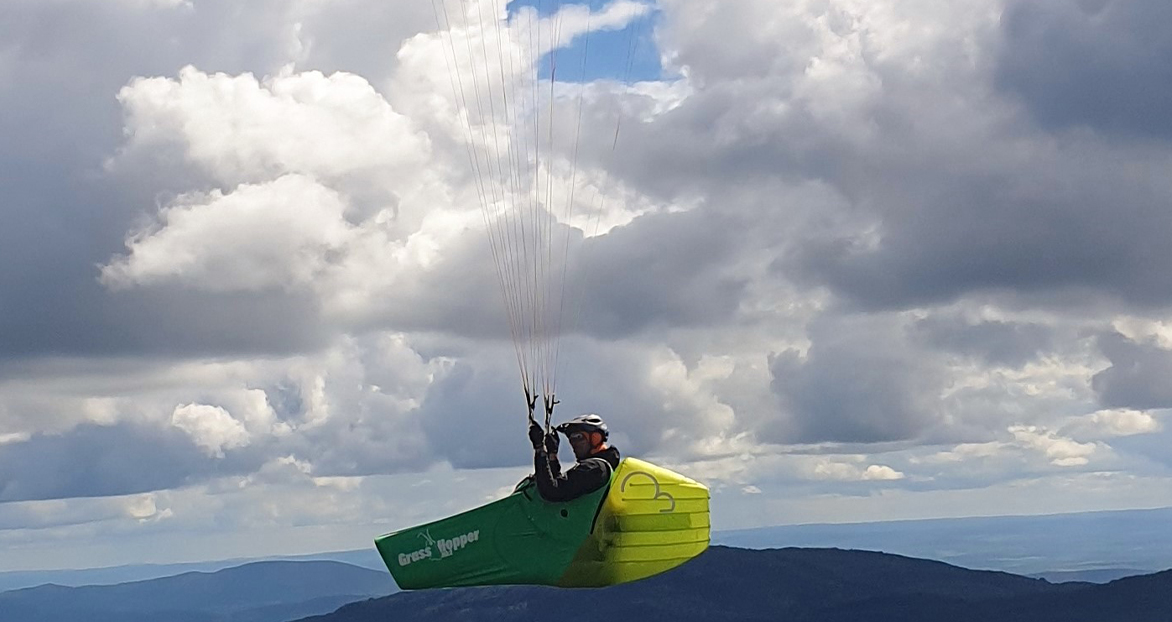
Cocoon Harnesses (faired harnesses):Designed for performance and cross-country flying. The pilot flies with legs extended inside an aerodynamic "speedbag" that protects from the cold and improves glide performance.
Tandem Harnesses: Specifically designed for tandem flights, with distinct models for the pilot (take-off ergonomics) and the passenger (maximum protection).
The price varies depending on the level of technicality, the materials used (standard vs ultra-light), and the place of manufacture. European brands such as Neo, Dudek or Sky Paragliders stand out for their high technical quality.
Typical price ranges:
Entry-level / String harness: €250 to €600
Beginner seat board harness / Initiation: €600 to €1,200
Reversible harness / Hike & Fly: €450 to €1,000
Cocoon harness (Cross & Competition): €1,200 to €2,500
Beyond the price, three factors should guide your purchase:
1. Weight and Volume: A standard setup weighs between 12 and 15 kg, while an ultra-light setup can drop below 7 kg.
2. Protection (PPE): Do you prefer an airbag (lightweight and compact) or a foam-bag (immediate protection from take-off)?
3. Ergonomics: Size and adjustments are essential. A poorly fitted harness can make flying uncomfortable, or even unsafe.
Need help deciding? Check out our article: How to choose your paragliding harness?
Once your harness is chosen, the job is not finished! A proper adjustment is essential for flying with confidence.
You can also customize your harness with various modules: footrests, cockpits for your instruments, or additional reserve pockets.
For more details, check out our dedicated articles: How to adjust your paragliding harness, Which accessories to add to your paragliding harness?
Paragliders by Certification :
Paragliders by Brand :
Paragliders by Type :
Paraglider Accessories :
Harnesses by Type :
Harnesses by Brand :
Harness Accessories :
Rescue by Type :
Rescue by Weight Range :
Rescue by Brand :

Rescue Accessories :
Helmets by Brand :

Paramotor Helmets :
Paragliding Bags by Type :
Paragliding Bags by Brand :

Flight Instruments :
Measuring instruments :
Free Flight Radios :
Aviation Radios :
Paraglider Accessories :
Harness Accessories :
Rescue Accessories :
Hardware :
Multi-Function Pliers and Tools
Paramotor Helmets :
Ultralight Aviation Accessories :
Windsocks and Masts :
Lighting and Aerial Beaconing :

Upper-Body Clothing :
Gloves and Inner Gloves :
Our Paragliding Courses :
Our Other Training Courses :
Our Classic Tandem Flights :
Our special tandem flights :
Please sign in first.
Sign in English
 Français
 Deutsch